
 263 Street - New Maadi - Cairo


Oral Tumors Surgery at Tooth Mate Clinic
Specialized treatment for oral and maxillofacial tumors
Comprehensive and advanced care for oral tumors using latest diagnosis techniques and precise surgeries to ensure best therapeutic and functional outcomes
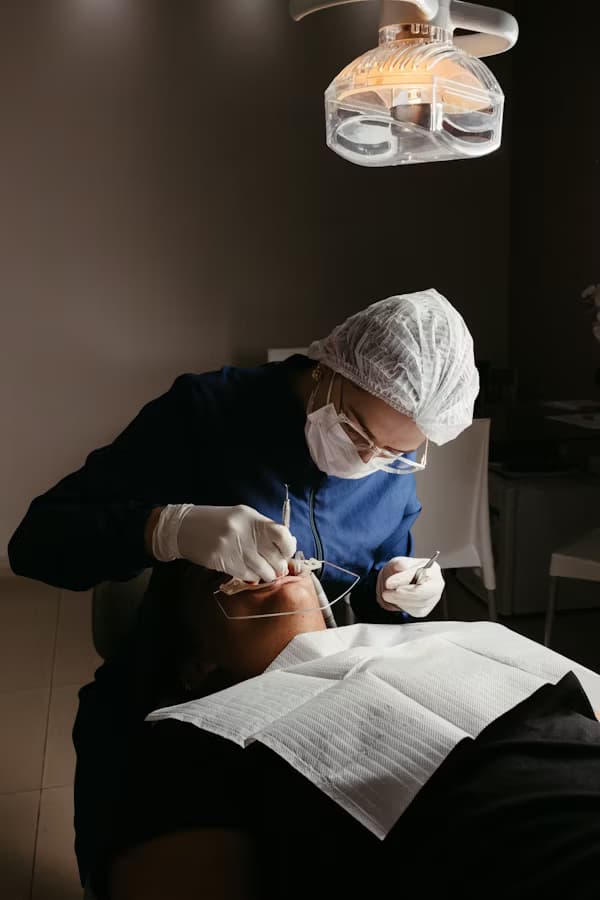
What are Oral Tumors?
Oral tumors are abnormal cell growth in various oral tissues including lips, tongue, inner cheeks, gums, palate, floor of mouth, and salivary glands. These tumors may be benign (non-cancerous) or malignant (cancerous) and require accurate diagnosis and immediate treatment.
Oral tumors occur due to several factors including smoking, alcohol consumption, chronic sun exposure, HPV infection, poor oral hygiene, and genetic factors. Early detection of these tumors significantly increases chances of complete recovery.
Diagnosis of oral tumors requires careful clinical examination and taking a sample (biopsy) from affected tissue for microscopic analysis and tumor type determination. X-rays, CT scans, and MRI are also used to determine tumor spread extent.
Treatment of oral tumors depends on tumor type, size, location, and stage. Treatment may include surgery, radiation therapy, chemotherapy, or combination of these treatments. Surgery remains the main treatment for most oral tumors and involves tumor excision with safety margin from healthy tissues.
Oral Tumors Symptoms
Ulcer or sore in mouth that doesn't heal within two weeks
Lump or thickening in cheek, lip, or gum
White or red patches in mouth that don't disappear
Unexplained bleeding or pain in mouth
Difficulty chewing, swallowing, or moving jaw
Types of Oral Tumors

Benign Tumors
Non-cancerous tumors that grow slowly and don't spread to other body parts, but may cause local problems

Malignant Tumors
Cancerous tumors that grow rapidly and spread to adjacent tissues, lymph nodes, and other body organs

Precancerous Lesions
Changes in oral tissues that may turn into malignant tumors if not treated

Oral Cysts
Fluid or air-filled sacs that form in oral and jaw tissues
Oral Tumors Diagnosis Methods
Comprehensive Clinical Examination: Careful examination of mouth, neck, and lymph nodes to detect any masses or abnormal tissue changes. Doctor uses optical endoscopes to examine areas difficult to see with naked eye.
Biopsy Taking: Procedure where small sample of suspicious tissue is taken for microscopic examination. There are several biopsy types including excisional biopsy, incisional biopsy, and fine needle biopsy depending on tumor size and location.
Radiographic Imaging: Using panoramic X-rays, CT scans, and MRI to determine tumor size and spread extent in bones and surrounding soft tissues. Imaging helps in precise surgery planning.
Advanced Examinations: In some cases, Positron Emission Tomography (PET Scan) may be used to detect distant tumor spread, or endoscopy may be used to examine upper airways and digestive passages.
Oral Tumors Treatment Methods

Surgical Treatment
Surgical excision of tumor with safety margin from healthy tissues to ensure complete tumor removal

Reconstructive Surgeries
Rebuilding lost tissues and bones after tumor excision to restore function and appearance
Oral Tumors Surgery Recovery Stages

First Stage (1-4 weeks)
Hospital recovery period and immediate post-surgical care

Second Stage (1-6 months)
Rehabilitation phase and restoration of normal oral function
Why Choose Our Oral Tumors Surgery?

Multidisciplinary team including maxillofacial surgeons and oncology specialists

Latest diagnosis technologies and precise endoscopic surgeries

Comprehensive care including treatment, rehabilitation and long-term follow-up
Oral Tumors Surgery Features at Tooth Mate Best Dental Clinic in Maadi ✨

Accurate diagnosis using latest radiology and biopsy devices
Precise endoscopic surgeries to reduce scars and preserve tissues
Collaboration with best oncology centers for radiation and chemotherapy
Integrated rehabilitation program after surgery
Regular long-term follow-up for early detection of any recurrences
💬 Book Urgent Medical Consultation
If you notice any abnormal changes in your mouth or feel any oral tumors symptoms, don't wait. Early diagnosis is key to success in oral tumors treatment. Contact us immediately at Tooth Mate Clinic in Maadi for consultation with specialized maxillofacial surgery team and accurate assessment of your condition.
For inquiries and booking.. Send us a message

Working Hours:
Address:
263 Street - New Maadi - Cairo